March 18, 2026
Adding a garden shed to your property represents a significant investment that affects functionality, aesthetics, property value, and daily convenience for years to come. Many homeowners rush into shed purchases without adequately considering size requirements, placement options, local regulations, material choices, or how they'll actually use the structure over time. The difference between a shed that perfectly serves your needs and one that disappoints from the start often comes down to the thoroughness of planning before making purchase or construction decisions. Understanding the key factors that experienced builders consider when helping customers plan sheds prevents costly mistakes and ensures your investment delivers lasting satisfaction. The wisdom that comes from building hundreds of sheds provides invaluable perspective about what works, what doesn't, and which details matter most for long-term success and satisfaction with your outdoor storage solution.
Understanding Local Zoning and Permit Requirements
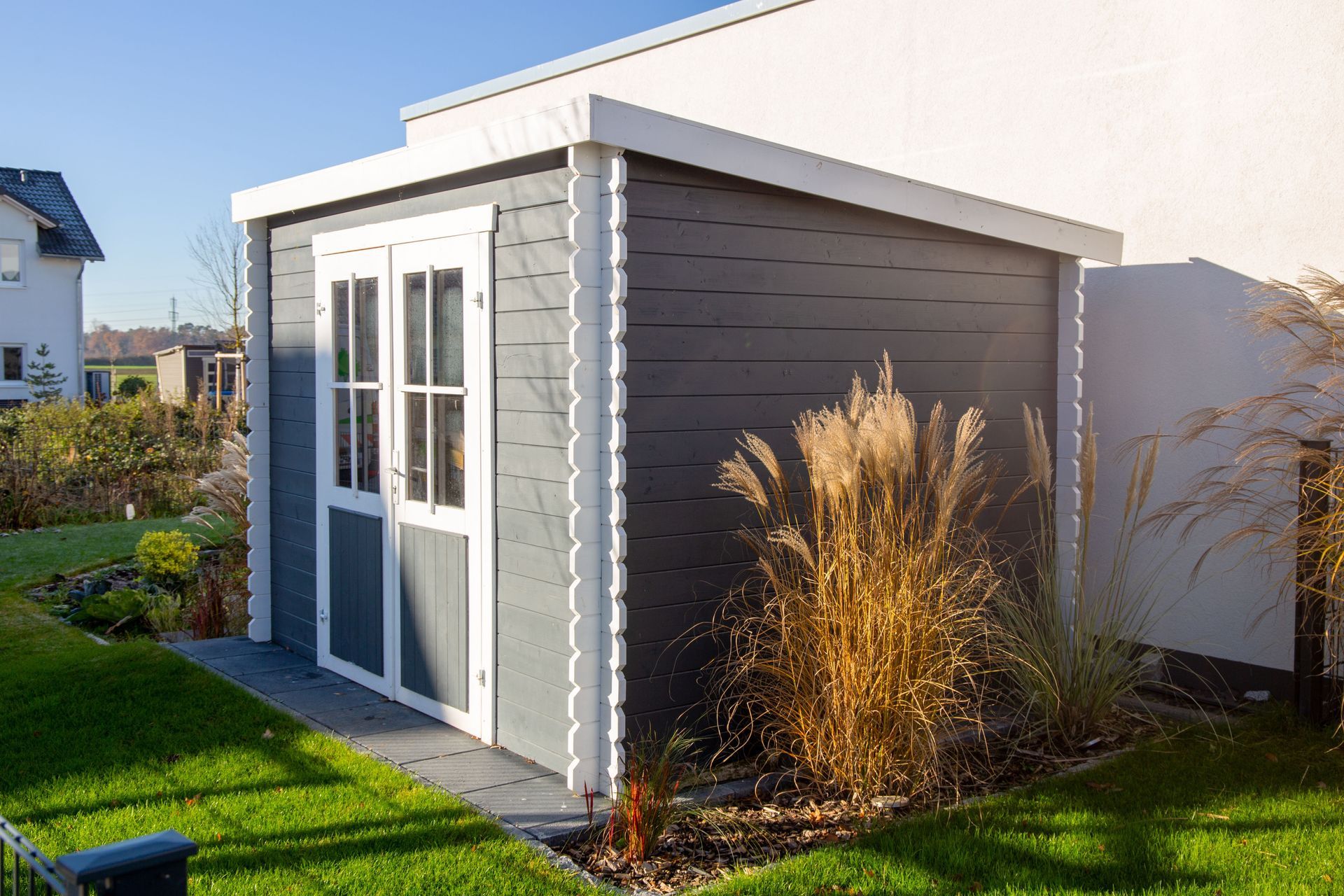
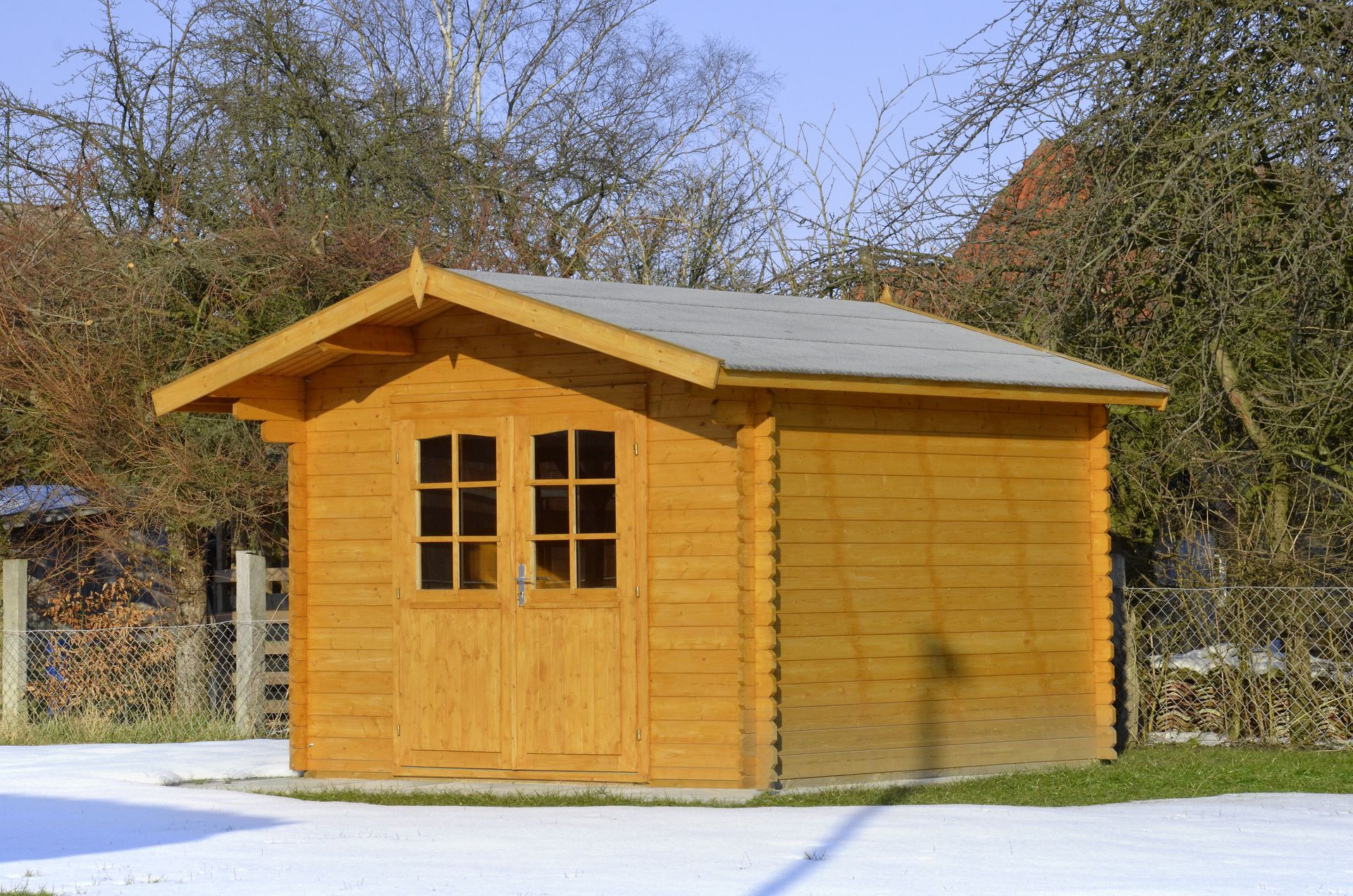
According to Zipdo, 80% of residential sheds are made from wood, with pressure-treated lumber being the most common material due to durability. Before purchasing any shed, research your local zoning ordinances and building codes to understand size limits, setback requirements, height restrictions, and whether permits are needed. Many municipalities restrict shed dimensions, require specific distances from property lines, or impose design standards that affect your options and placement choices. Homeowner associations often add additional restrictions beyond government regulations regarding shed appearance, materials, colors, or locations that further limit your choices. Consulting with an experienced local garden shed builder familiar with area regulations helps you navigate these requirements and avoid investing in structures that violate codes and require expensive modifications or even removal after installation.
Most people underestimate how much storage space they actually need, resulting in sheds that fill immediately and cannot accommodate future acquisitions or changing storage requirements. Carefully inventory everything you plan to store, including lawn equipment, seasonal decorations, tools, recreational gear, and other items currently cluttering garages or homes. Consider not just current needs but also anticipated future purchases and whether you want interior workspace for hobbies, repairs, or projects beyond pure storage. Adding 25 to 30 percent capacity beyond your calculated minimum provides flexibility for growth and prevents the frustration of maxed-out storage shortly after installation when you realize you should have consulted with a local garden shed builder about investing in a larger structure initially.
Evaluating Your Property for Optimal Placement
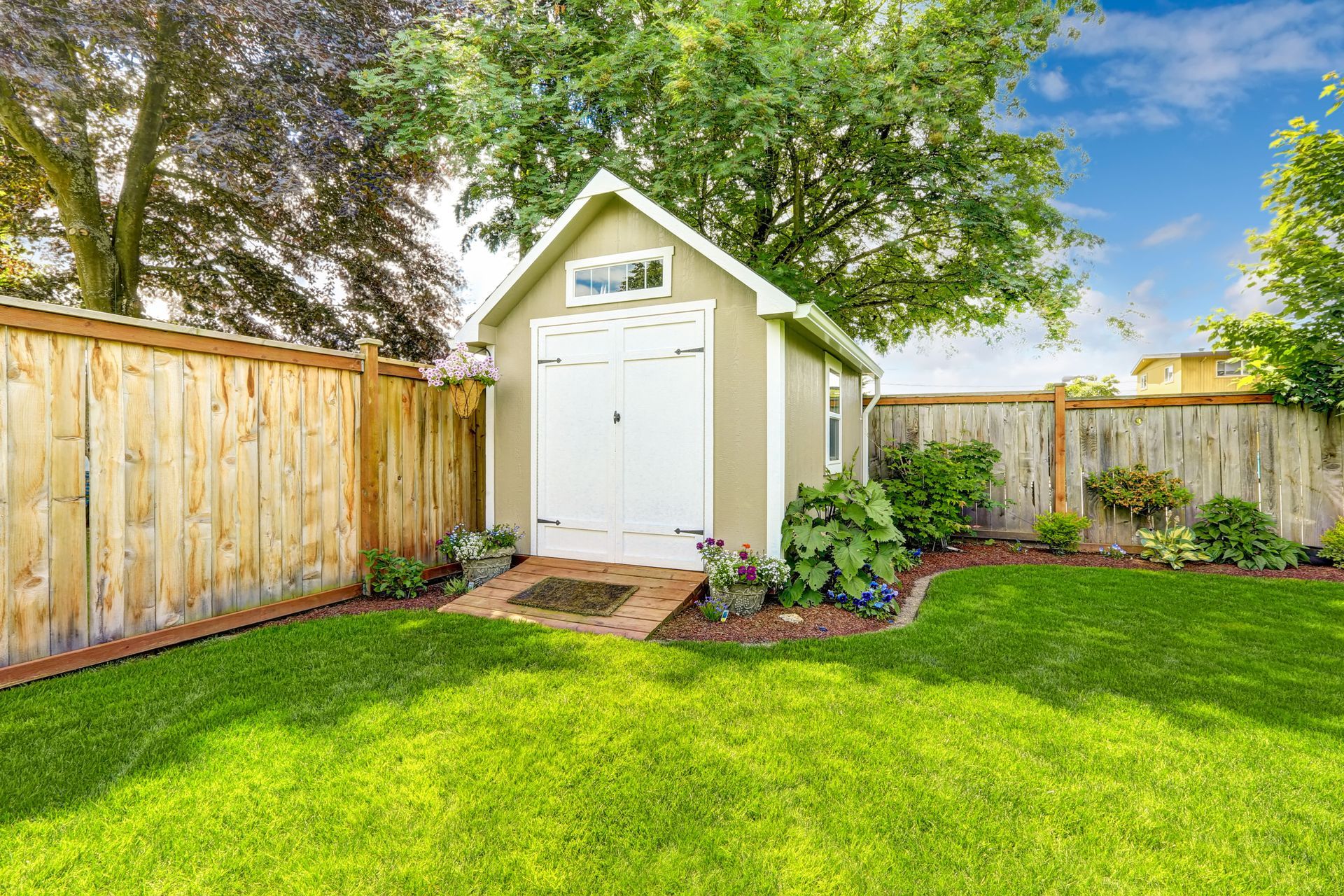
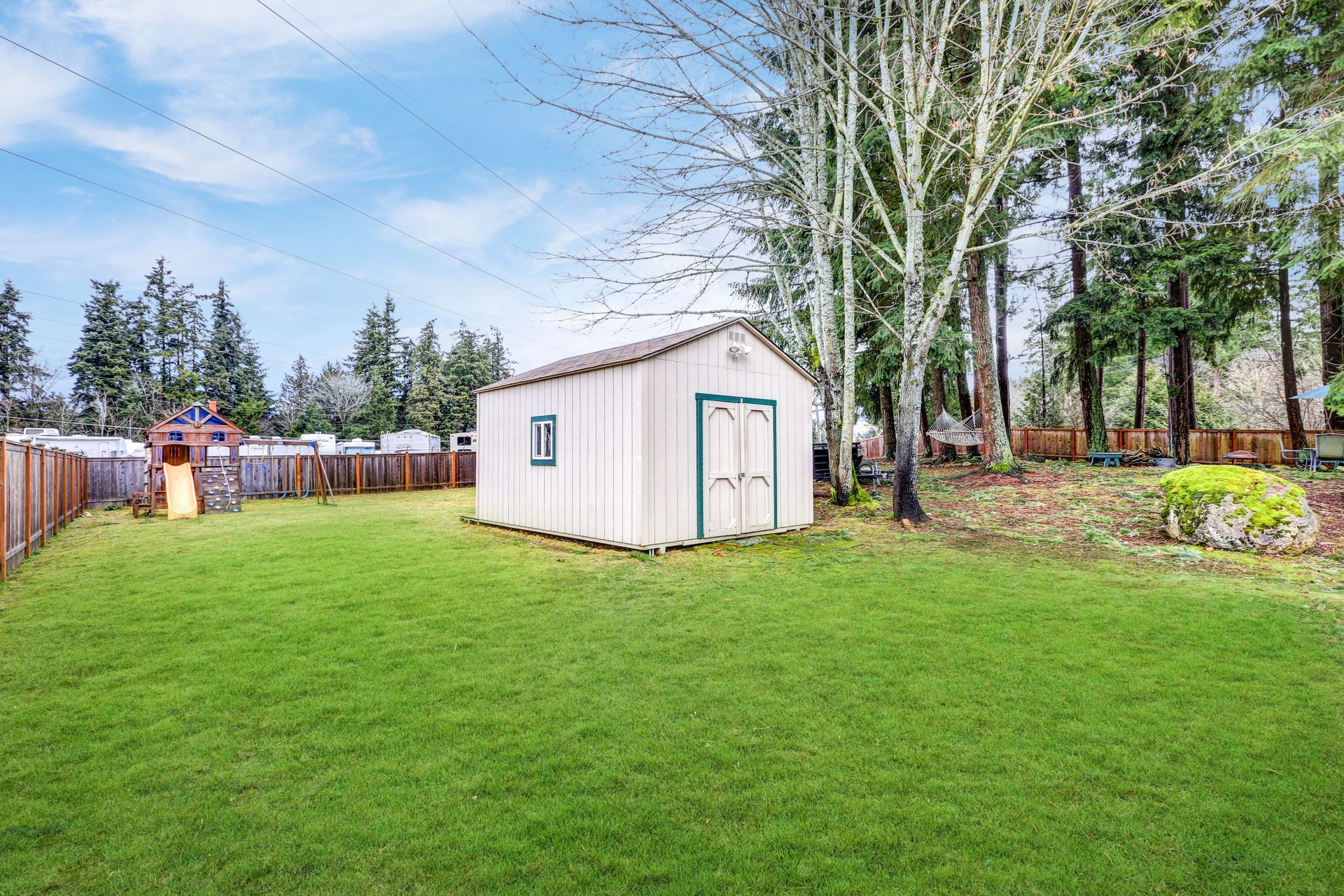
Shed placement significantly affects functionality, drainage, access, aesthetics, and your daily convenience in ways that aren't always obvious until structures are already installed. Level ground simplifies installation and reduces costs, while sloped locations may require expensive site preparation or foundation work to create stable, level platforms for construction. Consider access for moving large items in and out, proximity to areas where stored items will be used, and how placement affects views from your home and outdoor living spaces. A knowledgeable local garden shed builder can evaluate your property and recommend optimal locations that balance practical considerations with aesthetic impact, ensuring your shed serves its purpose without creating new problems or limiting other uses of your outdoor space.
Material selection dramatically affects appearance, durability, maintenance requirements, costs, and how well sheds withstand your specific climate conditions over their service life. Wood sheds offer traditional aesthetics and customization potential but require periodic painting or staining to prevent rot and maintain appearance throughout years of weather exposure. Metal options cost less initially and need minimal maintenance, but may be prone to condensation and denting, and can be challenging to modify after installation. Vinyl or composite materials require virtually no maintenance and resist rot and insects, but cost more upfront and may have limitations on size options or aesthetic appeal compared to wood structures that an experienced local garden shed builder can extensively customize.
Planning for Proper Foundation and Site Preparation
Foundation choice affects stability, longevity, cost, and whether your structure is considered permanent or temporary for zoning and property tax purposes. Concrete slabs provide the most stable, permanent foundations, but cost more and make relocation impossible if your needs change or you move to another property. Gravel pads with concrete blocks offer good stability at a lower cost while allowing future relocation if necessary, though they require proper leveling and compaction for long-term performance. Understanding foundation options and their implications helps you make informed decisions that balance initial costs, long-term stability, and flexibility for potential future changes in how you use your property or structure.
Many shed owners later regret not including electrical service and proper lighting during initial construction, when adding these features is simpler and less expensive than retrofitting. Working in dark sheds using flashlights or portable lanterns proves frustrating, while electrical outlets enable power tool use and charging equipment batteries conveniently where you actually work. Running electricity to your shed requires appropriate wiring, permits, and costs significantly more to add after construction than during initial installation, when access is easier. Consulting with your local garden shed builder about electrical needs during planning ensures appropriate provisions are included in initial construction rather than becoming expensive afterthoughts that require extensive modification to add later.
Considering Security Features to Protect Valuable Contents
Sheds often house expensive tools, equipment, and recreational gear that require security measures to protect your investment from theft and unauthorized access. Quality locks, reinforced doors, properly positioned windows, and adequate exterior lighting deter opportunistic thieves and reduce vulnerability to break-ins. Some shed owners install security systems, motion-activated lighting, or cameras monitoring their storage areas, particularly when housing expensive equipment like lawn tractors, power tools, or recreational vehicles. Planning security features during initial design proves more effective and economical than retrofitting protection to completed structures that weren't designed with security in mind from the beginning.
Internal organization dramatically affects how well sheds serve their purpose, yet many people focus only on external size without planning interior layout and storage systems. Shelving, pegboards, workbenches, and dedicated zones for different item categories maximize usable space and keep belongings accessible rather than stacked in unusable piles where you cannot find or reach what you need. Vertical space often goes wasted in sheds, while overhead storage and wall-mounted systems dramatically increase capacity without expanding the building's footprint or requiring larger structures. Working with an experienced local garden shed builder during planning allows you to incorporate interior organization features during construction rather than struggling to retrofit systems into completed structures that weren't designed to accommodate your organizational needs.
Evaluating Assembly Options and Installation Complexity
Some sheds arrive as kits requiring assembly, while others come pre-built and simply need placement on prepared foundations, with each approach offering different advantages and considerations for your situation. Kit sheds cost less but require significant time, tools, and skills to assemble properly, and mistakes during assembly can affect structural integrity and appearance permanently. Pre-built sheds cost more but eliminate assembly hassles and arrive ready for immediate use once placed on proper foundations that meet structural requirements. Consulting with a local garden shed builder about assembly options helps you understand which approach suits your skills, available time, and budget rather than committing to DIY assembly that exceeds your capabilities or available resources.
Thorough planning before purchasing or building a garden shed ensures your investment delivers lasting value and functionality that justifies the expense and effort of adding this structure to your property. The insights that experienced builders gain from helping hundreds of customers plan sheds provide invaluable perspective about what truly matters and which details make the biggest difference in long-term satisfaction. Taking time to carefully consider all these factors before committing to specific shed choices prevents the common mistakes that lead to disappointment, regret, or expensive modifications attempting to correct poor initial planning decisions. Whether you need home structures, garages, hunting blinds, pavilions, playsets, poly furniture, poly furniture kits, sheds, or tiny homes, Classic Structures provides expert guidance backed by a lifetime warranty on sheds, custom-built to order structures, and quick delivery for in-stock items. For more information, contact us today!