What to Consider Before Planning a Backyard Storage Shed
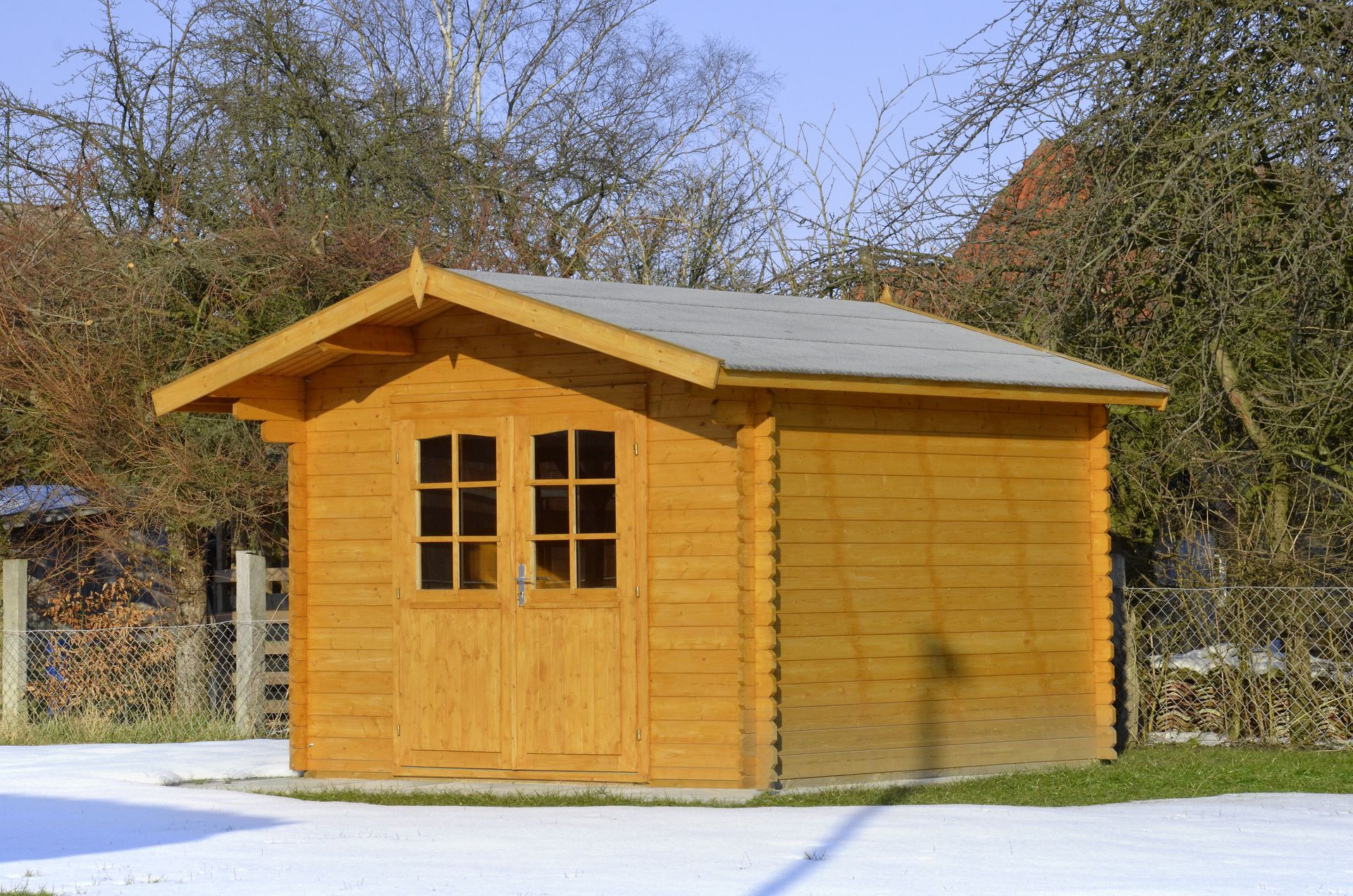
Adding a backyard storage shed represents a significant investment that affects your property's functionality, appearance, and potentially its value, making careful planning essential before purchasing or building. Many homeowners rush into shed purchases without adequately considering size requirements, placement options, local regulations, or how the structure will actually be used over time. Understanding the key factors that influence shed success helps you avoid common mistakes like buying sheds that are too small, placing them in inconvenient locations, or violating local codes that require expensive modifications or removal. The difference between a shed that perfectly serves your needs for decades and one that disappoints from the start often comes down to the thoroughness of your planning process before making any commitments. Taking time to evaluate all relevant considerations ensures your shed investment delivers lasting value and functionality rather than becoming a source of frustration or regret.
Understanding Local Zoning and Permit Requirements
According to Global Growth Insights, more than 53% of households in the United States use outdoor sheds for storage or backyard projects. Before purchasing any shed, research your local zoning ordinances and building codes to understand size limits, setback requirements, and whether permits are needed for your project. Many municipalities restrict shed size, height, or placement relative to property lines, and some neighborhoods with homeowner associations impose additional restrictions on shed appearance and location. Failing to research these requirements before purchasing can result in expensive modifications, fines, or even forced removal of structures that violate local regulations. Understanding these rules upfront allows you to plan appropriately and avoid investments in sheds that won't comply with the regulations governing your property and neighborhood.
Most homeowners underestimate the storage space they actually need, resulting in sheds that fill up immediately and fail to accommodate future storage requirements that inevitably develop. Carefully inventory everything you plan to store, including lawn equipment, seasonal decorations, tools, recreational gear, and other items currently cluttering your garage or home. Consider not just current storage needs but also future acquisitions and whether you want workspace inside the storage shed for hobbies, repairs, or projects that require protected space. Adding 20 to 30 percent capacity beyond your calculated minimum needs provides flexibility for growth and prevents the frustration of maxed-out storage shortly after installation when you realize you should have purchased a larger structure initially.
Evaluating Your Property for Optimal Placement
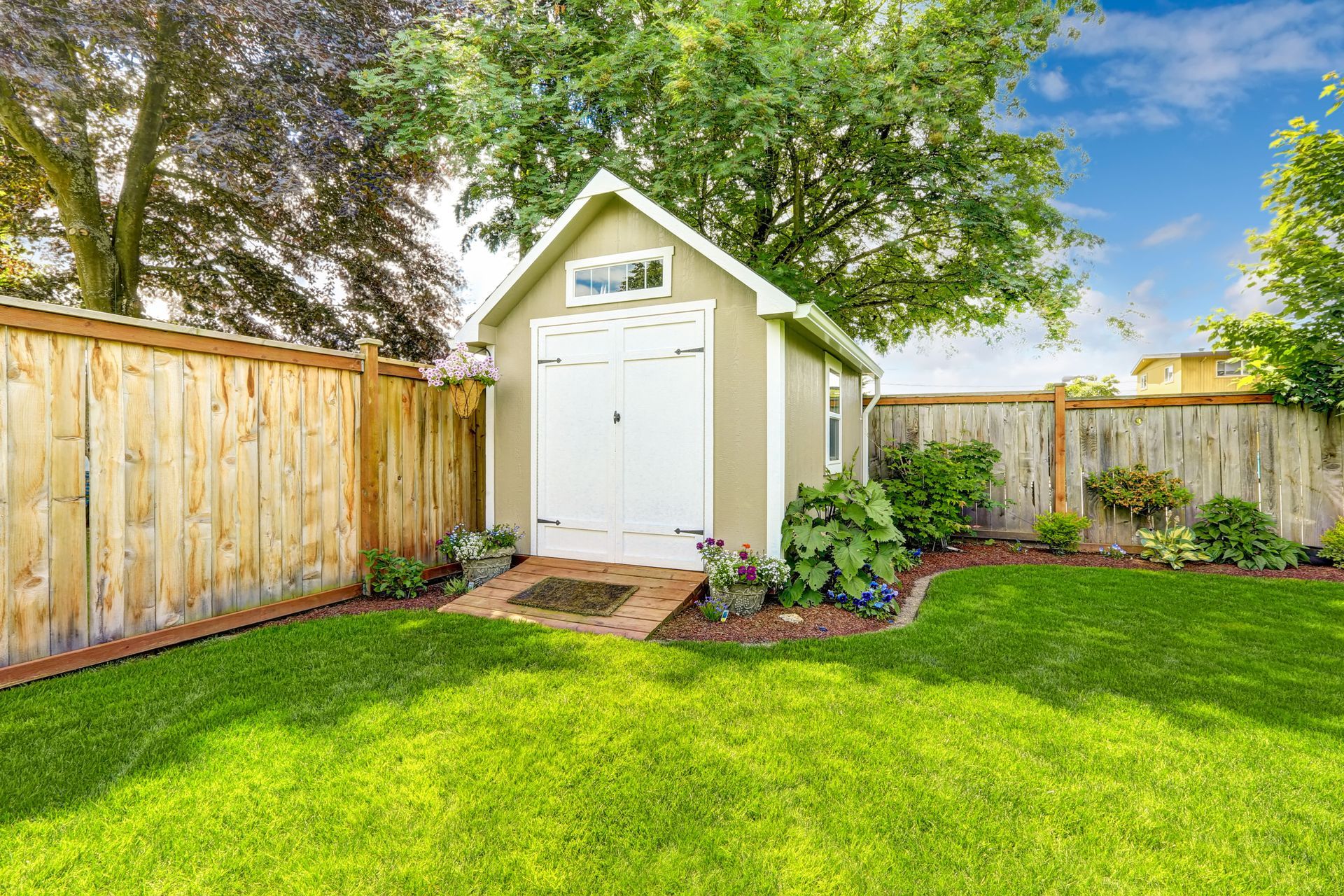
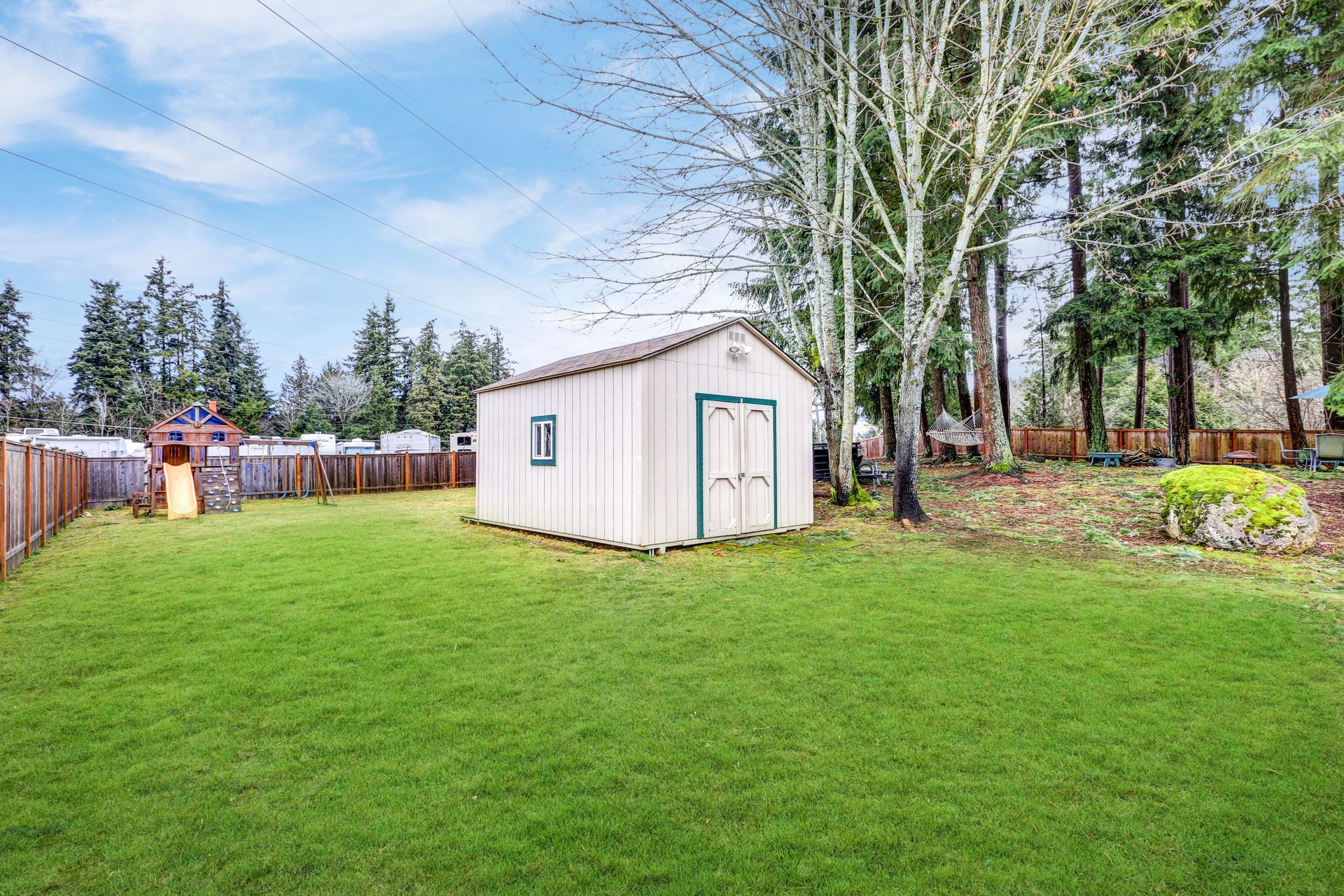
Shed placement significantly affects functionality, drainage, access, and visual impact on your property and requires careful consideration of multiple competing factors. Level ground simplifies installation and reduces costs, while sloped locations may require expensive site preparation or foundation work to create stable, level platforms. Consider access for moving large items in and out, proximity to areas where stored items will be used, and how placement affects views from your home and outdoor living spaces. Adequate drainage away from the storage shed prevents water problems, while placing structures too close to property lines may violate setback requirements or create conflicts with neighbors who object to structures near their property boundaries.
Foundation choice affects shed stability, longevity, cost, and whether your structure is considered permanent or temporary for zoning and tax purposes. Concrete slabs provide the most stable, permanent foundations, but cost more and make relocation impossible if your needs change or you move to a new property. Gravel pads with concrete blocks offer good stability at a lower cost while allowing future relocation if necessary, though they require proper leveling and compaction. Skid foundations or wooden runners provide the most portable option, but may not be suitable for larger storage sheds or locations with significant frost heave, making the foundation choice an important decision that affects both initial costs and long-term flexibility.
Considering Material Options and Maintenance Requirements
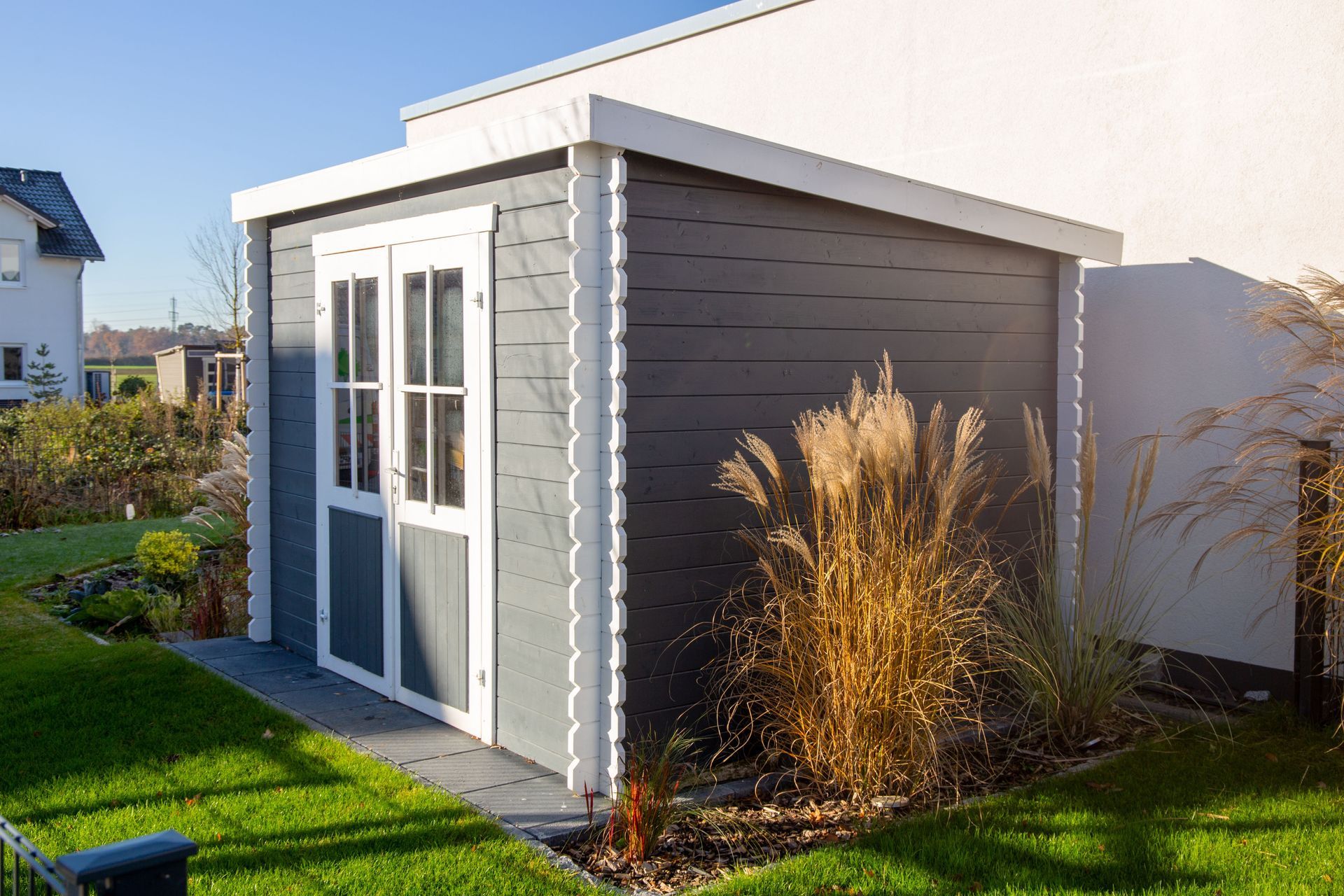
Shed materials dramatically affect appearance, durability, maintenance needs, and costs over the structure's lifetime, making material choice an important decision beyond just initial purchase price. Wood sheds offer traditional aesthetics and customization potential but require periodic painting or staining to prevent rot and maintain appearance over the years of weather exposure. Metal sheds cost less initially and need minimal maintenance, but may be prone to condensation and denting, and can be challenging to modify or customize after installation. Vinyl or resin sheds require virtually no maintenance and resist rot and insects, but cost more initially and may have limitations on size options and visual appeal compared to wood structures that can be customized extensively.
Many shed owners later regret not including electrical service and adequate lighting during initial installation, when adding these features is simpler and less expensive. Working in dark sheds using flashlights or portable lanterns proves frustrating, while electrical outlets enable the use of power tools and the charging of equipment batteries. Running electricity to your storage shed requires appropriate wiring, permits, and costs significantly more to add after construction than during initial installation, when access is easier. Consider whether you want just lighting or also need outlets for power tools, and whether you might eventually want heating or cooling that would require substantial electrical capacity beyond simple lighting circuits.
Incorporating Security Features to Protect Contents
Sheds filled with valuable tools, equipment, and recreational gear require security measures that protect your investment from theft and unauthorized access. Quality locks, reinforced doors, and windows positioned high enough to prevent easy access deter opportunistic thieves, while proper lighting and visibility from your home increase security. Some homeowners install security systems, motion-activated lighting, or cameras that monitor shed areas, particularly when storing expensive equipment like lawn tractors, power tools, or bicycles. Consult with your storage shed provider about security features that can be incorporated during construction more easily and effectively than retrofitting security to completed structures that weren't designed with protection in mind.
Internal organization significantly affects how well your shed serves its purpose, yet many people focus only on external size without planning interior layout and organization. Shelving, pegboards, workbenches, and dedicated zones for different item categories maximize usable space and keep belongings accessible rather than stacked in unusable piles. Vertical space often goes wasted in sheds, while overhead storage and wall-mounted systems dramatically increase capacity without expanding the building's footprint. Planning interior layout before installation allows you to incorporate necessary electrical outlets, lighting placement, and structural supports where you'll actually need them rather than discovering after construction that your planned layout doesn't work well with as-built features and utility locations.
Budgeting for Total Project Costs Beyond Purchase Price
The advertised price for a storage shed represents only part of your total investment, and failing to budget for additional costs creates financial surprises that strain budgets. Site preparation, foundation work, delivery, installation, permits, and finishing touches like shelving and ramps add substantially to the base shed cost. Electrical service, if desired, represents a significant additional expense that varies based on distance from your electrical panel and local code requirements. Understanding complete project costs upfront allows realistic budgeting and prevents situations where you purchase a shed but cannot afford proper installation or necessary site preparation that makes it functional and secure.
Careful consideration of all factors affecting shed success ensures your investment delivers lasting value and functionality that justifies the expense and effort of adding this structure to your property. The planning process takes relatively little time compared to the years of use you'll get from a well-chosen, properly placed shed that truly serves your needs. Rushing into purchases without adequate planning frequently results in disappointment and expensive modifications or replacements that could have been avoided with more thoughtful initial decision-making. Whether you need sheds, garages, playsets, tiny homes, pavilions, hunting blinds, poly furniture, poly furniture kits, custom design, or installation services, Classic Structures provides expert solutions backed by a lifetime warranty on sheds, custom-built to order structures, and quick delivery for in-stock items. For more information, contact us today!