May 6, 2026
Outdoor property usage in 2026 continues to shift toward more intentional, organized, and flexible environments. Homeowners are no longer treating backyards as passive spaces, but as extensions of daily living that must support recreation, work, and storage demands simultaneously. This change has created a measurable ripple effect in how outdoor structures are planned and utilized across residential landscapes.
As outdoor living becomes more structured, homeowners are increasingly confronted with the practical challenge of maintaining order while expanding functionality. Patio furniture, lawn equipment, gardening tools, recreational gear, and seasonal accessories all compete for space in ways that were less common in earlier decades. The result is a growing emphasis on dedicated exterior solutions that separate living areas from utility needs without sacrificing design cohesion.
This evolution is not happening in isolation. Broader housing trends, shifting lifestyle priorities, and long-term investment considerations are all contributing to the way people approach their property layouts. In many cases, outdoor organization has become just as important as interior design when it comes to comfort and property value.
Rising Demand Drivers for Outdoor Storage
Lifestyle Shift Toward Organized Outdoor Living
Residential outdoor spaces are increasingly designed to function as multipurpose environments rather than purely aesthetic landscapes. This shift is driven by the need for cleaner, more usable backyards that support relaxation, recreation, and practical storage at the same time. As homeowners invest more in landscaping, seating areas, and outdoor entertainment zones, the requirement for efficient organization becomes unavoidable.
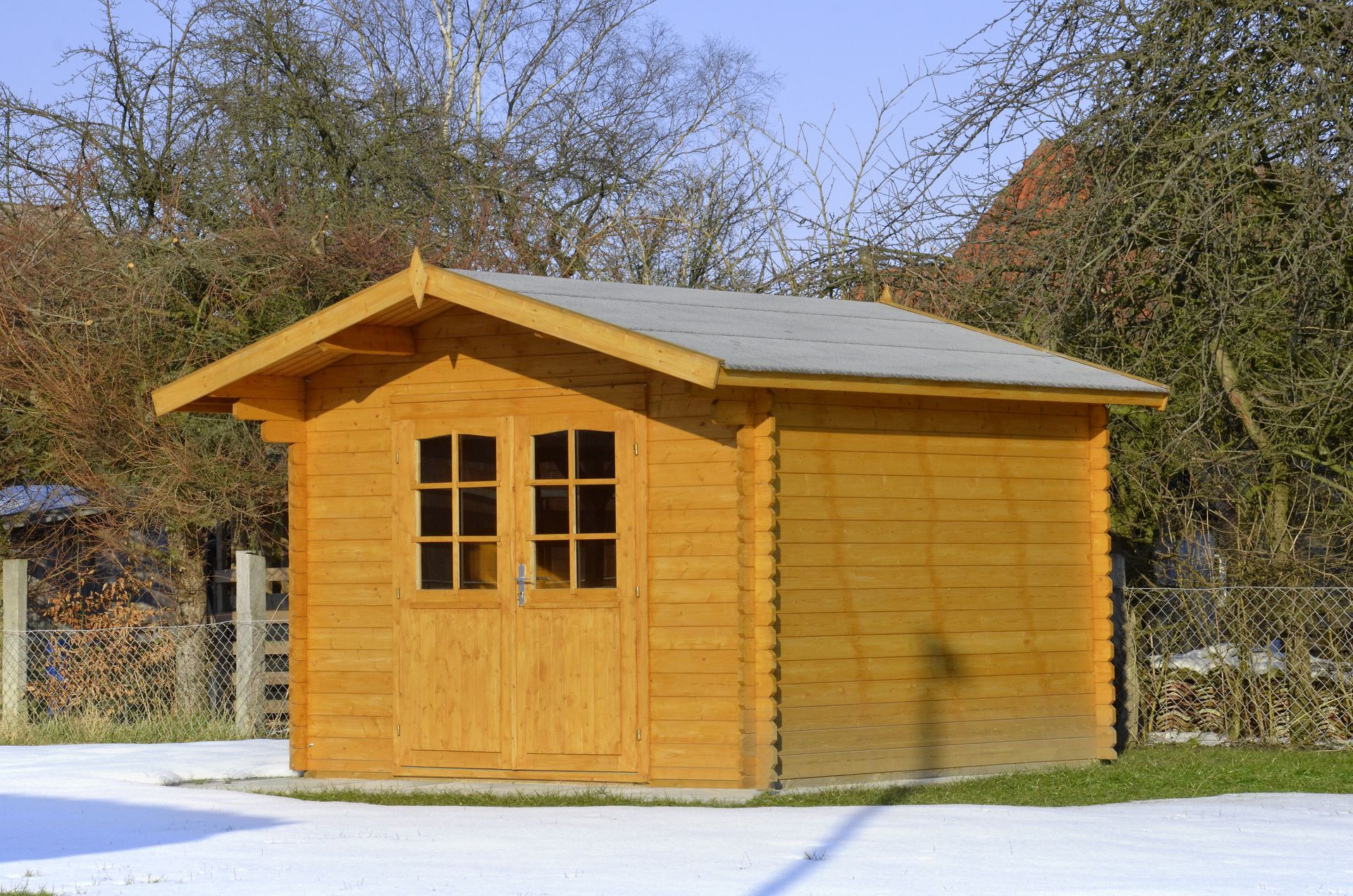
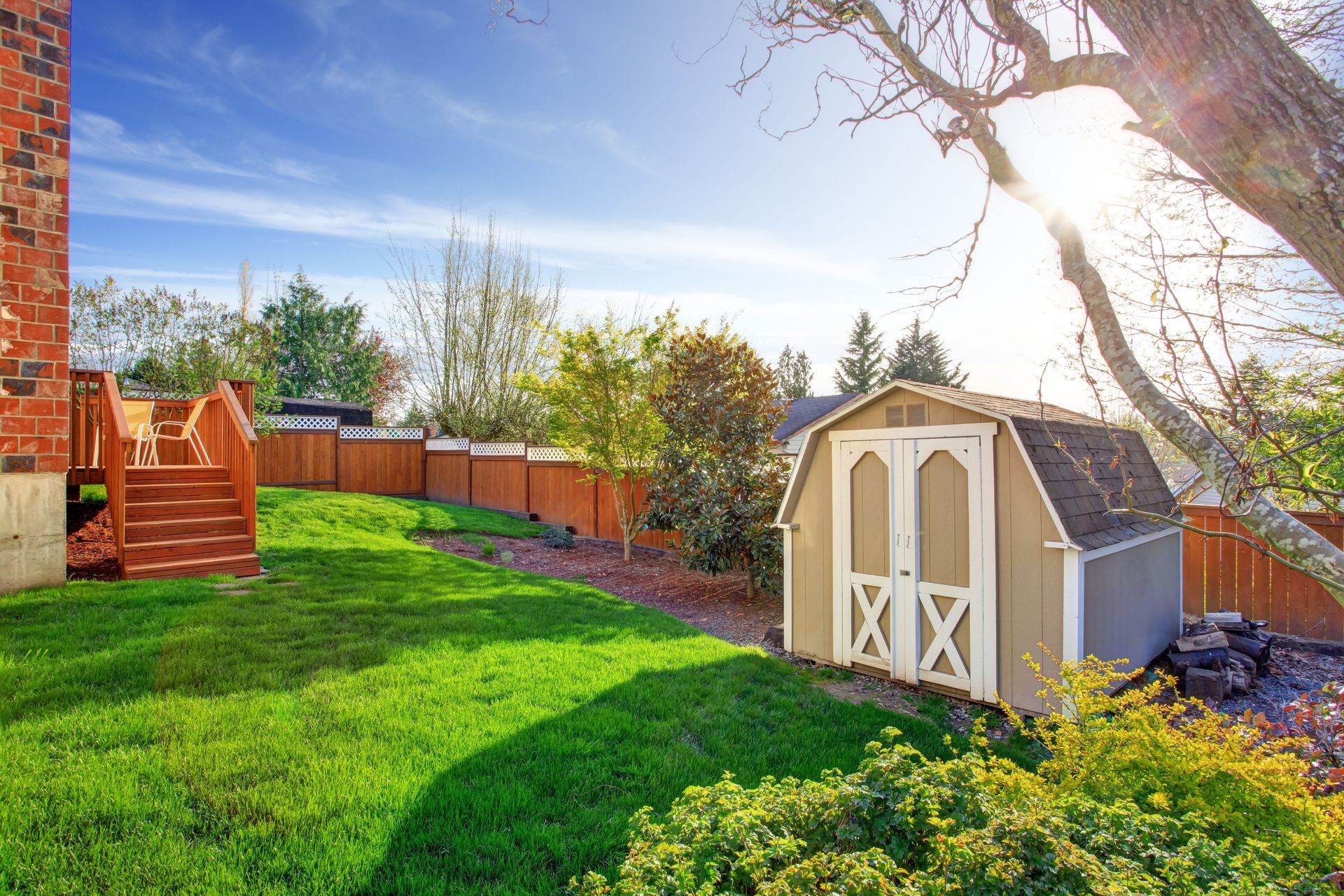
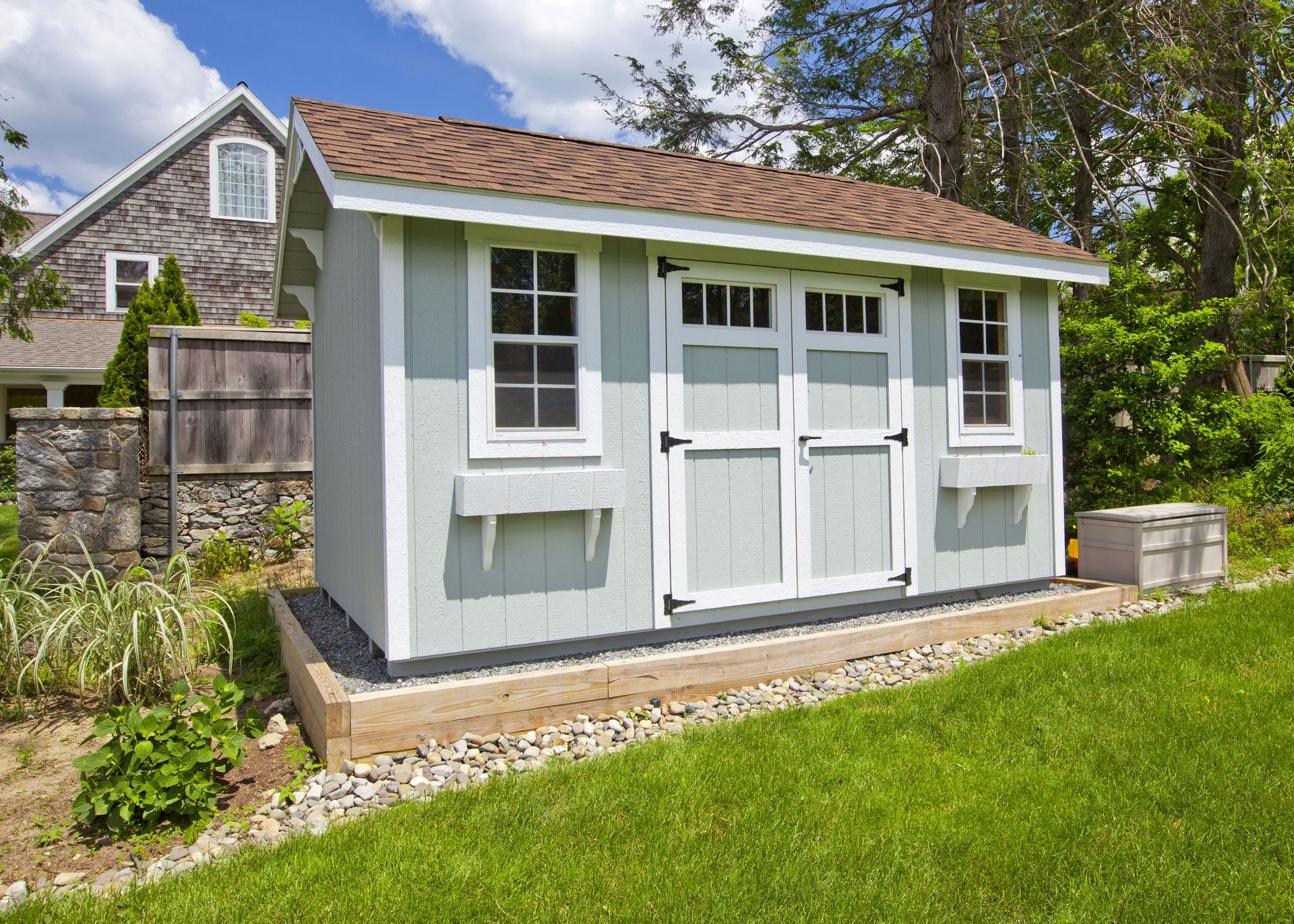
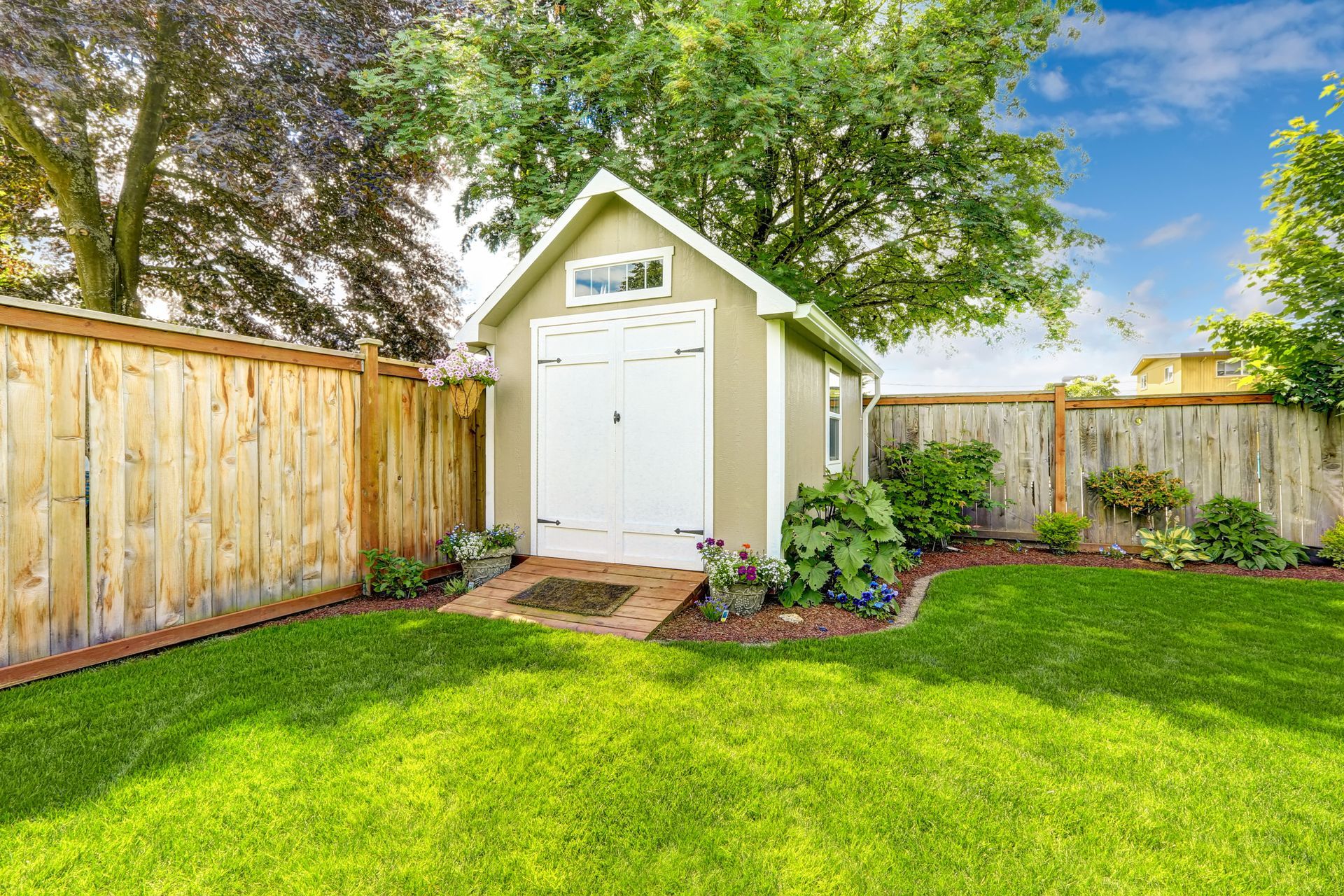
In this evolving environment, storage sheds have become a central component of property planning. They are no longer viewed as secondary additions but as foundational structures that support the broader outdoor ecosystem. By relocating tools, equipment, and seasonal items into a dedicated structure, homeowners are able to preserve open space while maintaining visual order.
A key driver behind this trend is the increasing expectation that outdoor areas should function like extensions of interior living space. According to the National Association of Realtors, 64% of homeowners reported a clear preference for designing multifunctional outdoor living environments over the past year. This behavioral shift naturally increases the need for durable exterior storage solutions that can accommodate the added equipment required to maintain these upgraded spaces.
As outdoor layouts become more intentional, sheds also play a role in protecting investments. Patio sets, grills, lawn care machinery, and decorative items are more frequently stored in protected environments to reduce wear from weather exposure. This reflects a broader mindset in which outdoor organization is not optional but essential for preserving both aesthetics and functionality.
Space Optimization and Suburban Property Trends
Suburban housing developments continue to emphasize efficient land use, where outdoor space must serve multiple roles without appearing overcrowded. This has led homeowners to rethink how every square foot of their property is allocated. Driveways, patios, gardens, and play areas must coexist with storage requirements in a way that maintains visual balance.
Sheds have become a practical response to this challenge, particularly in neighborhoods where garages are already fully utilized. Many households use garages for vehicles, tools, and hobby spaces, leaving limited room for seasonal or bulky items. Adding a dedicated exterior structure helps redistribute these belongings and restore usable indoor space.
In this context, storage sheds function as spatial relief mechanisms. They allow homeowners to maintain a clean separation between living zones and utility zones, which improves both usability and appearance. Over time, this separation contributes to more efficient property management and reduces the likelihood of clutter accumulating in transitional areas such as patios and entryways.
The popularity of organized outdoor layouts has also encouraged homeowners to invest in larger and more thoughtfully designed backyard systems. Instead of treating storage as an afterthought, it is now integrated into the initial planning phase of landscape design. This shift ensures that sheds are positioned strategically, both for accessibility and visual harmony within the yard.
Modern Expectations for Shed Design and Construction
Material Durability and Structural Engineering
Modern homeowners expect outdoor structures to perform reliably under a wide range of environmental conditions. This expectation has driven significant improvements in building materials and construction methods used in storage sheds. Durability is no longer optional; it is a baseline requirement for long-term residential investment.
Engineered wood products, reinforced framing systems, and weather-resistant siding materials are now commonly used to enhance structural integrity. These advancements ensure that sheds can withstand temperature fluctuations, precipitation, and wind exposure without compromising performance.
Structural engineering also plays a critical role in load-bearing capacity. Many homeowners store heavy equipment such as mowers, snow blowers, and power tools, requiring reinforced flooring systems that prevent sagging or instability. Proper foundation design ensures that weight distribution remains balanced over time, preserving both safety and usability.
As expectations rise, construction standards have adapted accordingly. Storage sheds are increasingly built with longevity in mind, emphasizing resistance to environmental stressors and daily wear. This approach reflects a broader shift toward viewing outdoor structures as permanent property assets rather than temporary installations.
Customization for Functional Outdoor Spaces
Customization has become a defining feature of modern outdoor construction. Homeowners increasingly seek designs that align with their specific property layouts, storage needs, and aesthetic preferences. This has elevated storage sheds from standardized units to highly adaptable structures.
Customization options typically include size variations, roof styles, door configurations, and interior layouts. These elements allow homeowners to tailor functionality based on how the structure will be used. For example, wide door openings may accommodate large equipment, while interior shelving systems support organized tool storage.
Interior adaptability is particularly important for multifunctional use. Many homeowners now incorporate workbenches, hobby areas, or dedicated organizational zones within their sheds. This flexibility allows a single structure to serve multiple roles without compromising efficiency.
Design customization also extends to exterior appearance. Matching siding, trim, and roofing materials with the primary residence helps integrate storage sheds into the overall landscape design. This visual cohesion ensures that utility structures enhance rather than detract from property aesthetics.
Long-Term Value of Investing in High-Quality Outdoor Storage
Property Value and Curb Appeal Benefits
Well-designed outdoor structures contribute directly to perceived property value. Buyers often evaluate not only the main residence but also the usability and organization of exterior spaces. A structured, clean, and functional backyard layout creates a strong impression of overall maintenance and care.
Storage sheds support this perception by providing visible organization and reducing clutter. When tools, equipment, and seasonal items are properly stored, outdoor spaces appear larger and more usable. This visual clarity can positively influence buyer interest and perceived value during resale considerations.
In addition to aesthetics, practical functionality also plays a role in valuation. Properties that offer integrated storage solutions reduce the need for additional infrastructure investments, making them more attractive to prospective buyers. Over time, this can translate into stronger market positioning.
Multiuse Functionality Beyond Storage
Modern outdoor structures are increasingly used for purposes beyond traditional storage. Homeowners frequently adapt these spaces for hobbies, workshops, or quiet work environments. This flexibility increases the functional value of the structure and expands its long-term usefulness.
Storage sheds that support multiple functions help homeowners maximize property efficiency. Instead of constructing separate spaces for different needs, a single structure can accommodate several uses over time. This adaptability is particularly valuable as household needs evolve.
The ability to repurpose space without major reconstruction adds significant long-term utility. Whether used for creative work, equipment organization, or seasonal transitions, multifunctional outdoor structures remain relevant across changing lifestyle demands.
The growing emphasis on organized, multifunctional outdoor environments continues to shape how homeowners approach property planning. As lifestyles evolve, outdoor spaces are expected to deliver both aesthetic value and practical utility, requiring thoughtful integration of storage and design.
This shift reflects a broader movement toward efficiency, adaptability, and long-term property stewardship. Well-planned outdoor structures provide essential support for maintaining order, protecting equipment, and enhancing overall usability across changing seasonal demands. For more information on how sheds for storage can enhance your outdoor lifestyle, reach out to Classic Structures!