June 17, 2026
A well-planned garden shed does far more than add storage space. It becomes a functional extension of the home, shaping how outdoor areas are used, organized, and enjoyed. Homeowners often begin with a general idea of what they need, but the most effective results come from structured planning and thoughtful design tailored to the property itself. This is where experienced builders play a defining role, translating everyday needs into durable, purpose-built structures.
Working with local garden shed builders ensures that the final structure is not only visually aligned with the yard but also positioned and sized for practical daily use. Factors such as access routes, equipment dimensions, and long-term maintenance all influence the design process. A shed that looks appealing but fails to accommodate real-world usage quickly becomes a limitation rather than an asset.
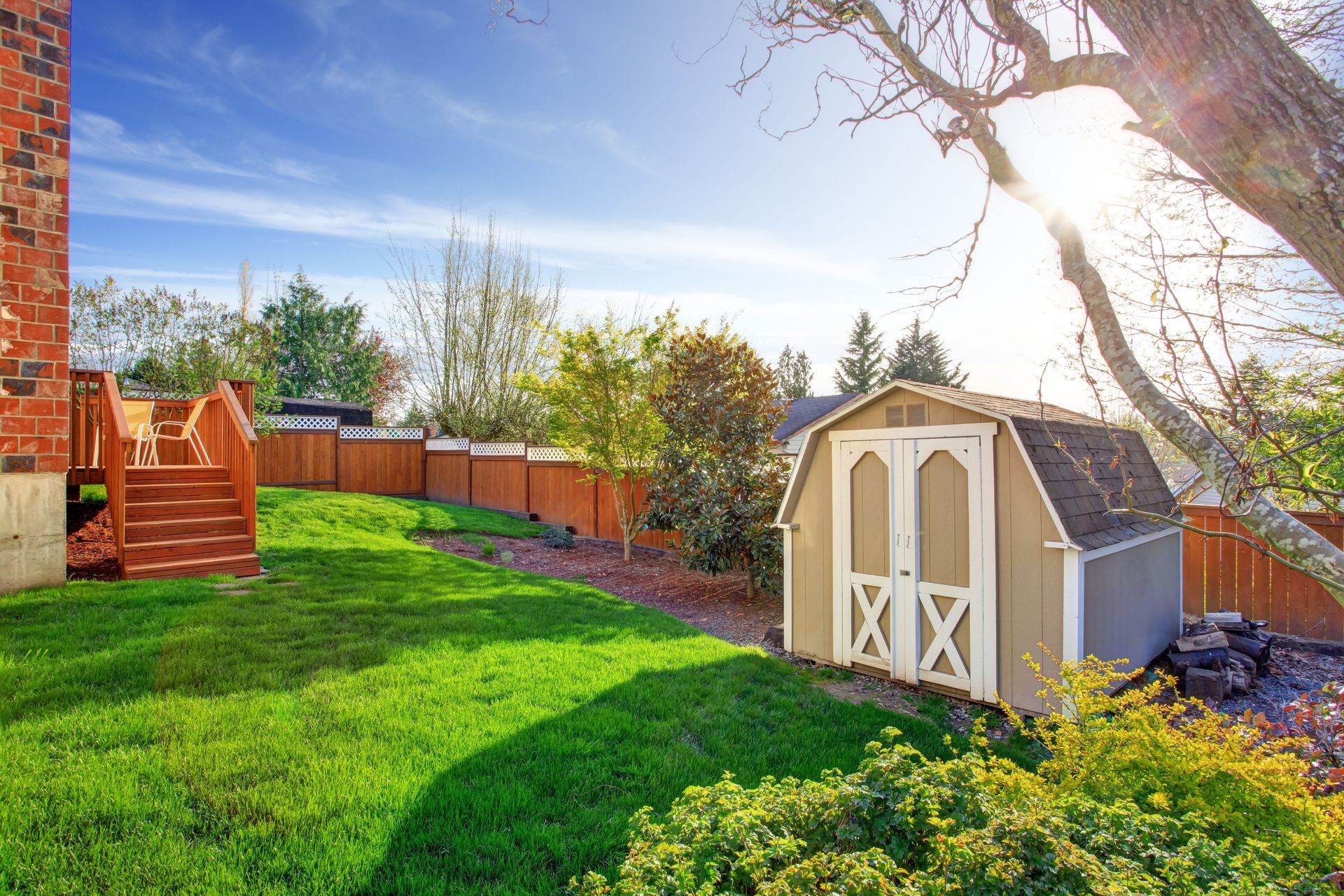
The design process also considers how the shed interacts with the broader landscape. Natural slopes, sunlight exposure, and proximity to other outdoor features all contribute to placement decisions. When these details are addressed early, the structure integrates more naturally into the environment and performs better over time.
Site Planning and Spatial Optimization for Garden Sheds
Understanding Yard Constraints and Access Points
Every successful shed project begins with a detailed assessment of the yard itself. Local garden shed builders typically evaluate slope, drainage patterns, fencing, and entry points before any design decisions are finalized. These physical constraints determine where a structure can realistically be placed without disrupting existing landscaping or limiting accessibility.
A major part of this phase involves identifying how the shed will be reached daily. Pathways, gate widths, and turning radii for equipment all influence placement. Even small miscalculations here can create long-term inconvenience, especially when transporting bulky tools or seasonal equipment.
In many cases, homeowners underestimate how much clearance is required for functional use. According to This Old House, a doorway measuring three feet wide is generally sufficient for most standard lawn equipment, while lawn tractors typically require a wider opening of four to six feet to allow for safe maneuvering. This distinction plays a critical role in early design decisions, particularly when equipment storage is a primary goal.
Aligning Shed Dimensions With Equipment Needs
Once access constraints are understood, attention shifts to internal dimensions. Local shed builders often begin by cataloging the items that will be stored, ranging from handheld tools to larger seasonal machinery. This inventory helps establish baseline spatial requirements and prevents under-sizing, which is one of the most common design mistakes.
The relationship between floor area and vertical storage is equally important. Taller structures may allow for lofted storage, freeing up floor space for active use. However, height must be balanced with structural stability and aesthetic proportions to ensure the shed complements the yard rather than overpowering it.
At this stage, local garden shed builders also refine the circulation space within the structure. Clear walking paths, door swing clearance, and workbench placement all factor into the final layout. A well-balanced interior ensures that movement is intuitive and efficient, even when the shed is fully occupied with tools and equipment.
Integrating the Shed Into Landscape Flow
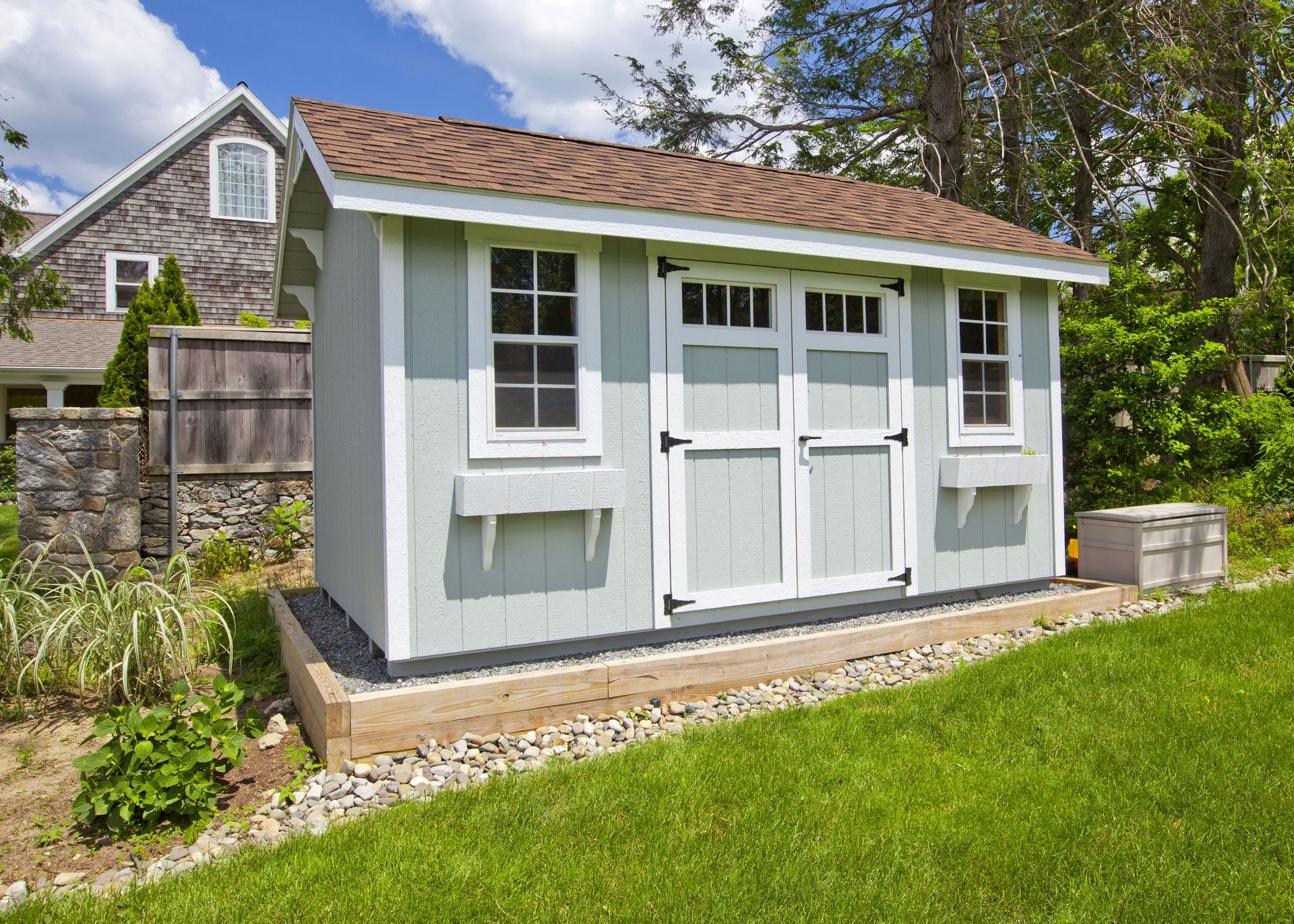
Beyond function, placement must support visual continuity across the property. A shed that interrupts natural sightlines or disrupts garden flow can feel intrusive, even if it is well-built. Garden shed builders address this by matching roof lines, trim styles, and exterior finishes to existing architectural elements.
Material selection often plays a supporting role in this integration. Color palettes are chosen to complement surrounding structures, while window placement can enhance natural light and improve visual balance. These design choices help the shed feel like a deliberate extension of the landscape rather than an isolated addition.
The final layout also considers future landscaping changes. Gardens constantly evolve, and a well-positioned shed should remain compatible with potential expansions such as patios, planting beds, or walkways. This forward-looking approach ensures long-term usability and aesthetic consistency.
Material Selection and Structural Design Principles
Framing Systems and Load Bearing Considerations
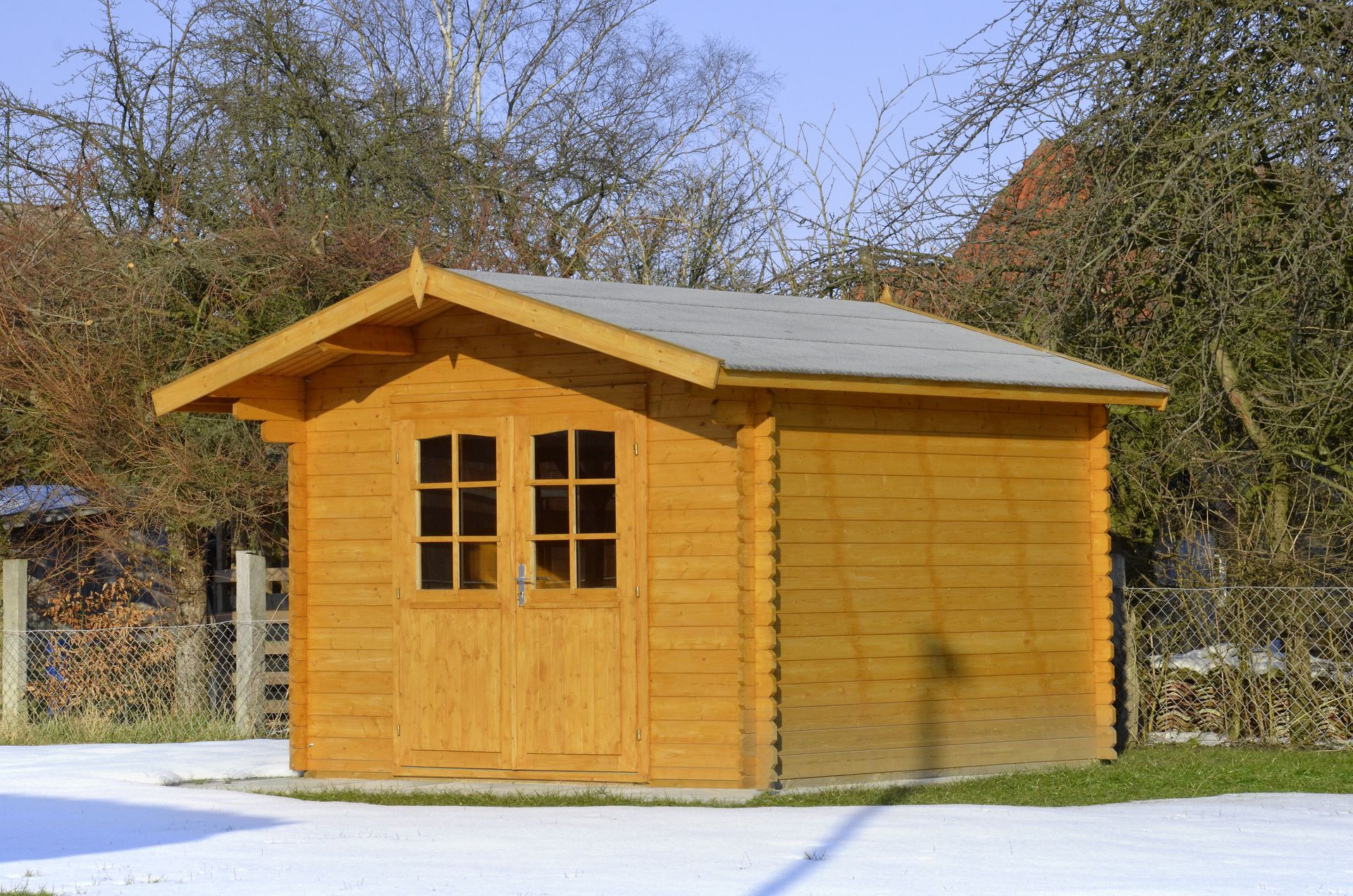
Structural integrity is one of the most important aspects of shed construction. Local garden shed builders prioritize framing systems that distribute weight evenly and resist environmental stressors such as wind, snow, and shifting soil conditions. These systems are typically engineered to support both the structure itself and the contents stored within it.
A strong foundation begins with pressure-managed materials and reinforced floor systems designed to prevent sagging over time. This is especially important for homeowners storing heavy equipment or dense materials. Proper load distribution ensures that the structure remains stable even under variable seasonal conditions.
Expert local garden shed builders also account for long-term durability by reinforcing key stress points such as corners, door frames, and roof joints. These reinforcements reduce the likelihood of structural fatigue and extend the lifespan of the shed significantly.
Exterior Finishes and Weather Resistance
Exterior materials play a dual role in both protection and appearance. High-quality siding, roofing, and trim systems must withstand moisture, temperature fluctuations, and prolonged sun exposure. Local garden shed builders typically select materials based on regional climate demands rather than aesthetic preference alone.
Engineered wood products are often favored for their balance of appearance and durability. These materials resist warping and moisture damage while maintaining a traditional visual appeal. Roof systems are equally important, as they serve as the first line of defense against precipitation and debris accumulation.
Weather resistance also extends to fastening systems and protective coatings. Proper sealing techniques prevent water intrusion, which can compromise both structural integrity and interior usability over time.
Doors Windows and Functional Access Design
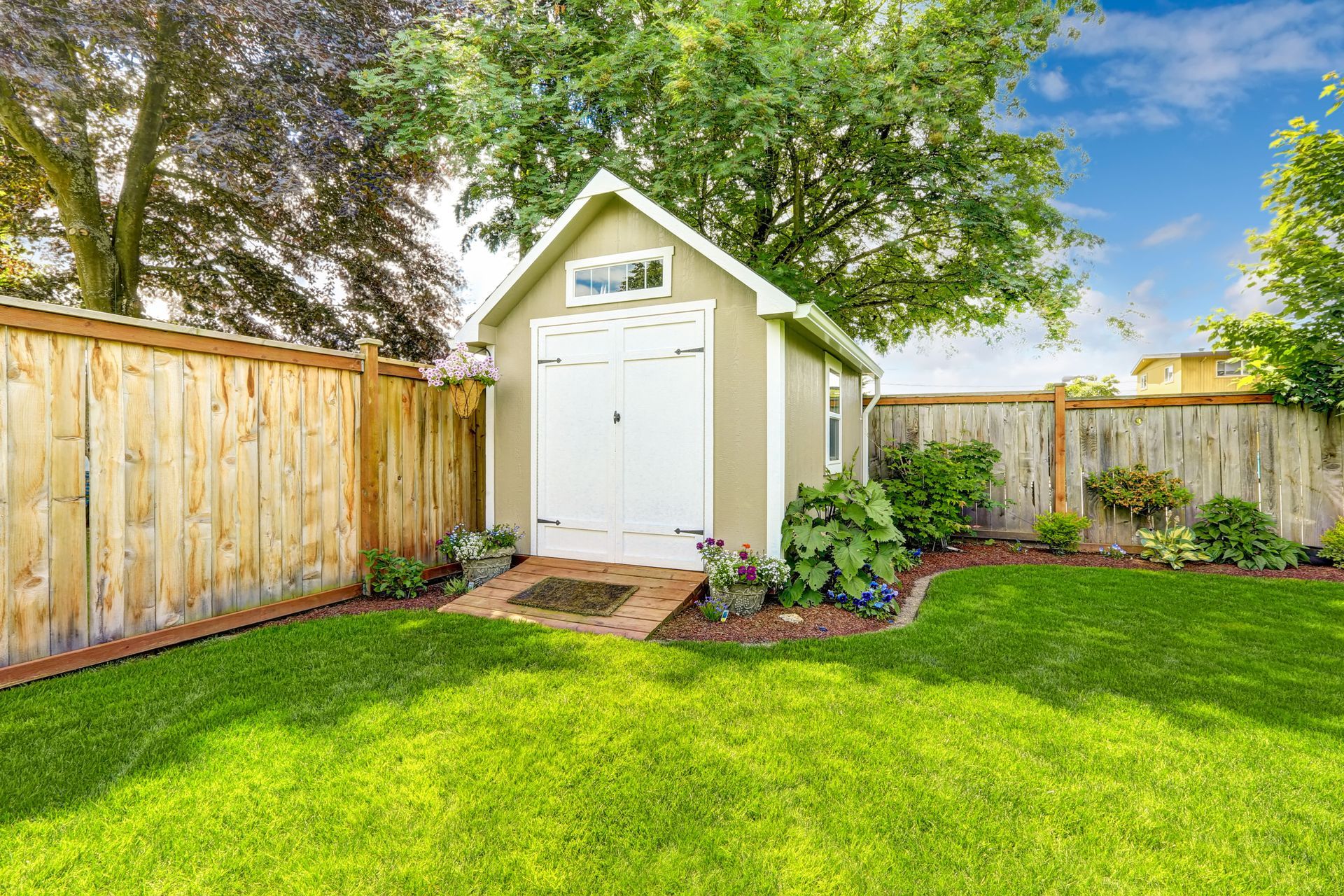
Access points are essential to both usability and safety. Professional local garden shed builders design doors that accommodate not only equipment size but also frequency of use. Reinforced framing around door openings prevents sagging and maintains alignment over time, even with repeated daily use.
Window placement is equally strategic. Natural light improves visibility inside the shed, reducing reliance on artificial lighting and enhancing usability for detailed tasks such as planting or repairs. Ventilation is also improved through carefully positioned openings, helping regulate interior temperature and moisture levels.
In addition to standard access features, thoughtful placement of entry points improves workflow efficiency. When doors and windows are aligned with interior zones, movement becomes more intuitive, allowing the shed to function as a highly organized workspace.
Designing an effective garden shed requires far more than selecting a size and placing an order. It involves a structured approach that considers land conditions, material performance, and long-term usability. When these elements are carefully balanced, the result is a structure that enhances both daily convenience and overall property value.
Working with reliable local garden shed builders ensures that each decision, from layout planning to material selection, is informed by practical experience and site-specific knowledge. The result is a shed that not only meets immediate needs but also adapts to future changes in usage and landscape design.
A well-executed design becomes a lasting part of the property, supporting organization, efficiency, and visual harmony for years to come. Thoughtful garden shed design continues to deliver value long after installation by adapting to changing storage needs and seasonal demands. With the right planning and craftsmanship, it becomes a dependable part of the property rather than just an auxiliary structure.
Are you interested in a garden shed built with handcrafted excellence for your yard? Reach out to Classic Structures today!